Explant with Fat Transfer (Autologous Fat Grafting) in Miami
What Is Fat Transfer After Explant?
Fat transfer, also known as autologous fat grafting, uses your own fat—typically harvested from areas such as the abdomen, flanks, or thighs—to restore volume to the breasts after implant removal. The goal is subtle, natural‑looking fullness that complements the reshaped breast following explant surgery and, when appropriate, a breast lift.
Who Is a Good Candidate?
You may be a strong candidate for explant with fat transfer if you:
- Desire modest volume restoration without implants
- Prefer a natural look and feel
- Have sufficient donor fat available
- Understand that multiple sessions may be required for additional volume
- Have realistic expectations regarding achievable size and shape
Candidacy is determined during consultation based on anatomy, goals, overall health, and long‑term planning.
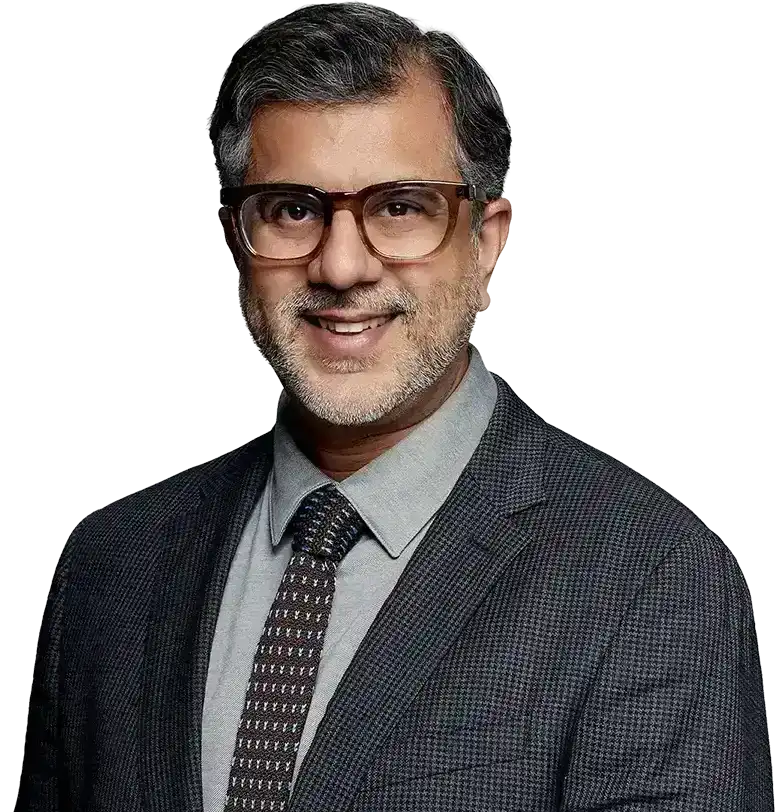
Dr. Dev Vibhakar, DO, FACS
Double Board-Certified Plastic & Reconstructive Surgeon
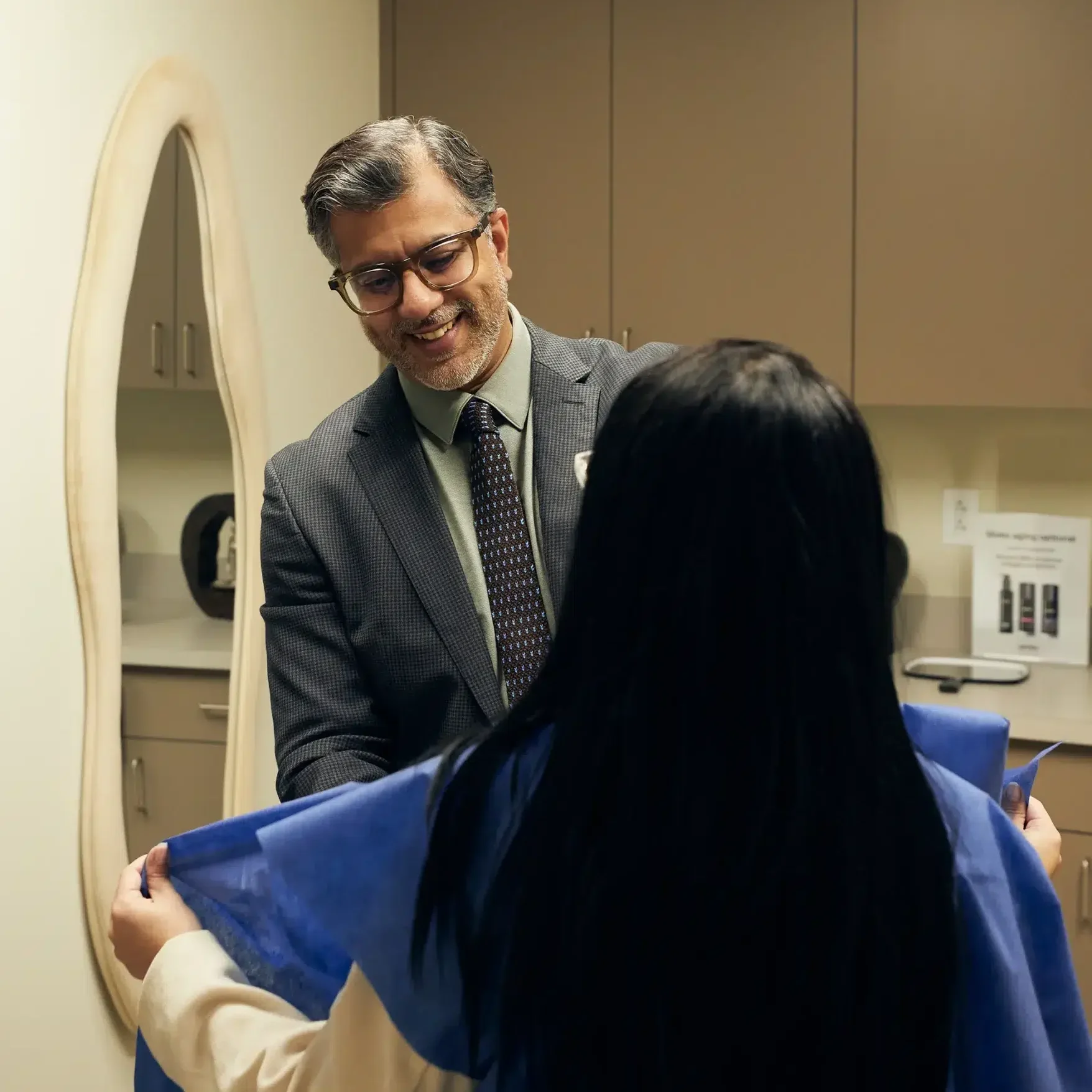
What the Procedure Involves
Explant with fat transfer may include:
- Implant removal
- Capsule management, when indicated
- Liposuction to harvest fat from selected donor areas
- Careful processing of harvested fat
- Strategic placement of fat into the breast to improve contour and softness
- Breast lift and/or auto‑augmentation, when appropriate
This technique prioritizes tissue health, symmetry, and long‑term safety.
A Refined Surgical Experience in Miami
ENSŌ Plastic Surgery is discreetly located within the Four Seasons Millennium Tower on Brickell Avenue, offering a private, elegant setting for advanced aesthetic surgery. Our practice emphasizes precision, safety, and a thoughtful, patient‑centered approach—supporting natural results that feel balanced and authentic.
How Much Volume Can Be Achieved?
Fat transfer is best suited for modest enhancement—typically about ½ to 1 cup size—rather than dramatic size increase. Many patients can expect:
- Subtle improvement in upper‑pole fullness
- Smoother breast contours
- A soft, natural breast feel
On average, surgeons inject approximately 300 mL of fat per breast, though this can range from about 134 to 500 mL. Not all transferred fat survives; long‑term volume retention averages 46–58%.
This means that if 300 mL of fat is injected, approximately 138–174 mL may remain permanently. The transferred fat reaches its stable, final volume around 8 months after surgery. Because of natural fat resorption, a second session may be considered in selected cases to build additional volume.
Benefits of Fat Transfer After Explant
- Uses your own tissue (no foreign material)
- Soft, natural appearance and feel
- Improves overall breast contour
- Allows body contouring of donor areas
- Can be combined with breast lift or reshaping procedures
- Liposuction is often paired with skin‑tightening technology such as J‑Plasma/Renuvion, when appropriate
Limitations and Considerations
Fat transfer is not ideal for every patient. Important considerations include:
- Limited volume increase compared to implants
- Variable fat survival (some resorption is expected)
- Possibility of requiring more than one session
- Small risk of oil cysts or fat necrosis, typically benign
Timing and candidacy are highly individualized. In Dr. Dev’s practice, many patients are best suited for fat transfer as a staged procedure approximately 12 months after explant surgery, once tissues have healed and the body has stabilized. This is particularly important for patients who have experienced systemic or autoimmune‑type symptoms related to Breast Implant Illness (BII), where allowing adequate recovery time before additional procedures is often the safest and most thoughtful approach.
These topics are discussed thoroughly during consultation.
Frequently Asked Questions
Schedule Your Consultation
If you are considering breast implant removal and would like to explore whether fat transfer may enhance your outcome, a consultation with Dr. Dev Vibhakar provides individualized guidance and honest expectations.
Request your private consultation here, or call our Miami office at (305) 918-1750 to speak with a member of our clinical team.