Why Choose Dr. Durand for Your Ear Surgery?
Dr. Paul Durand is a board-certified plastic and reconstructive surgeon, and one of the best ear surgeons in Miami. His background includes training at the Cleveland Clinic and a fellowship at the Dallas Plastic Surgery Institute, where he developed a deep expertise in otoplasty techniques. He also gained notoriety as a member of the team that performed the first successful face transplant in the United States.
What sets Dr. Durand apart is the time he gives every patient. He keeps his caseload deliberately small so he can focus on the details that matter, walking each person through their options to make sure they feel truly informed before moving forward. His honest, discreet consultations are offered in English and Spanish, making him a trusted name throughout Miami, the US, and Latin America.






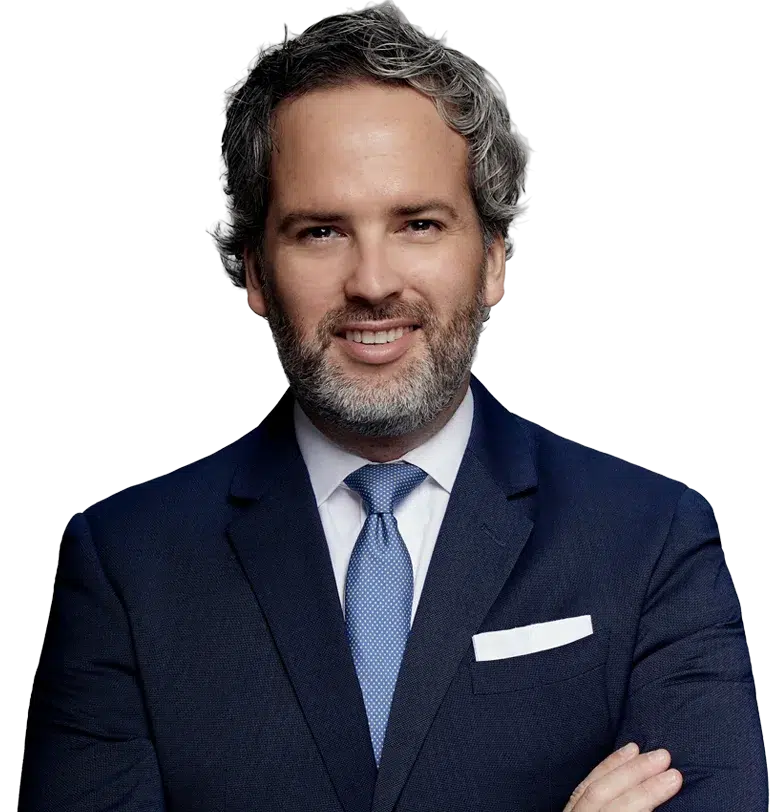
Dr. Paul D. Durand, MD
Board-Certified Plastic And Reconstructive Surgeon
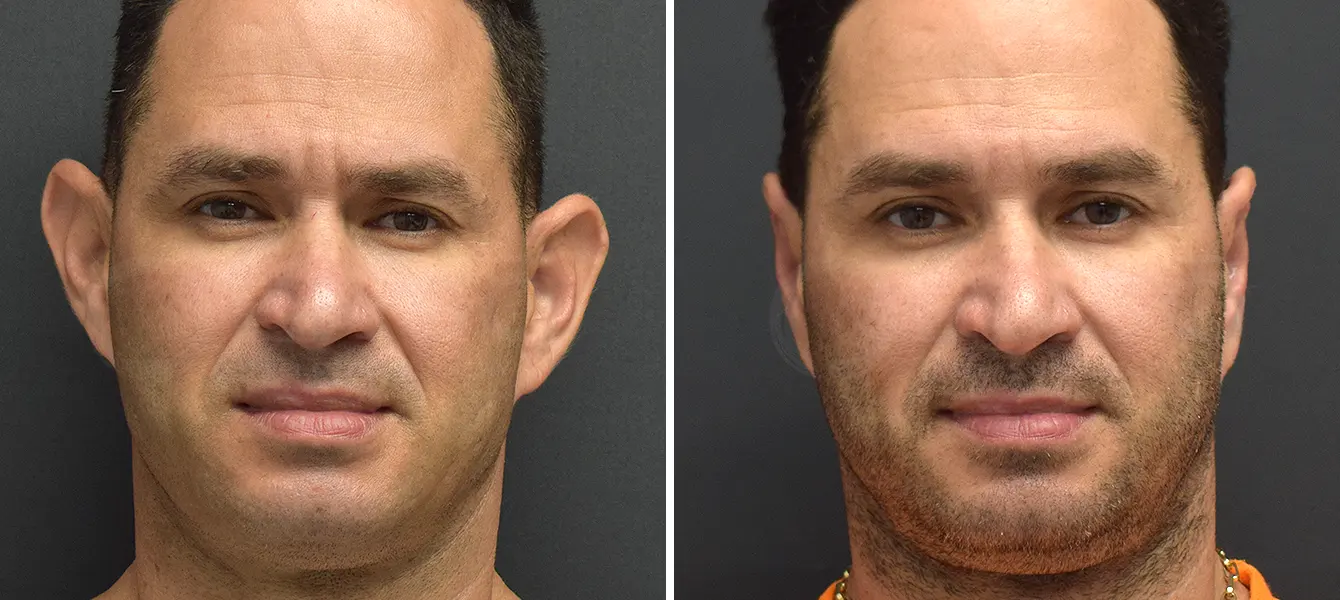
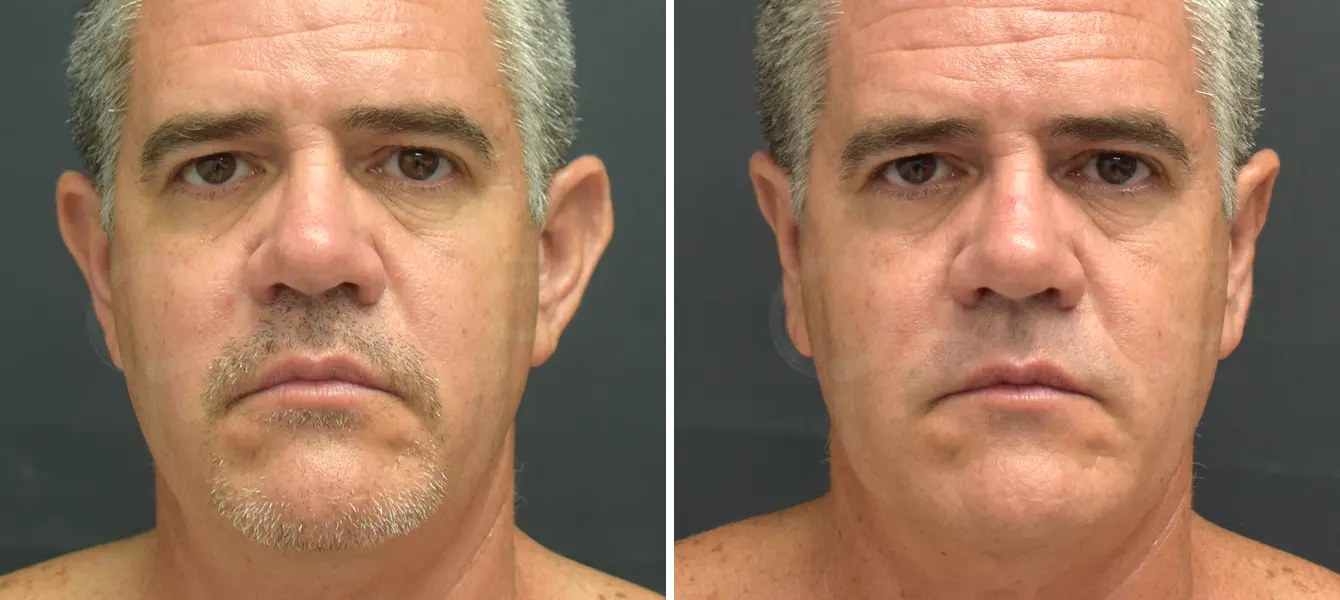
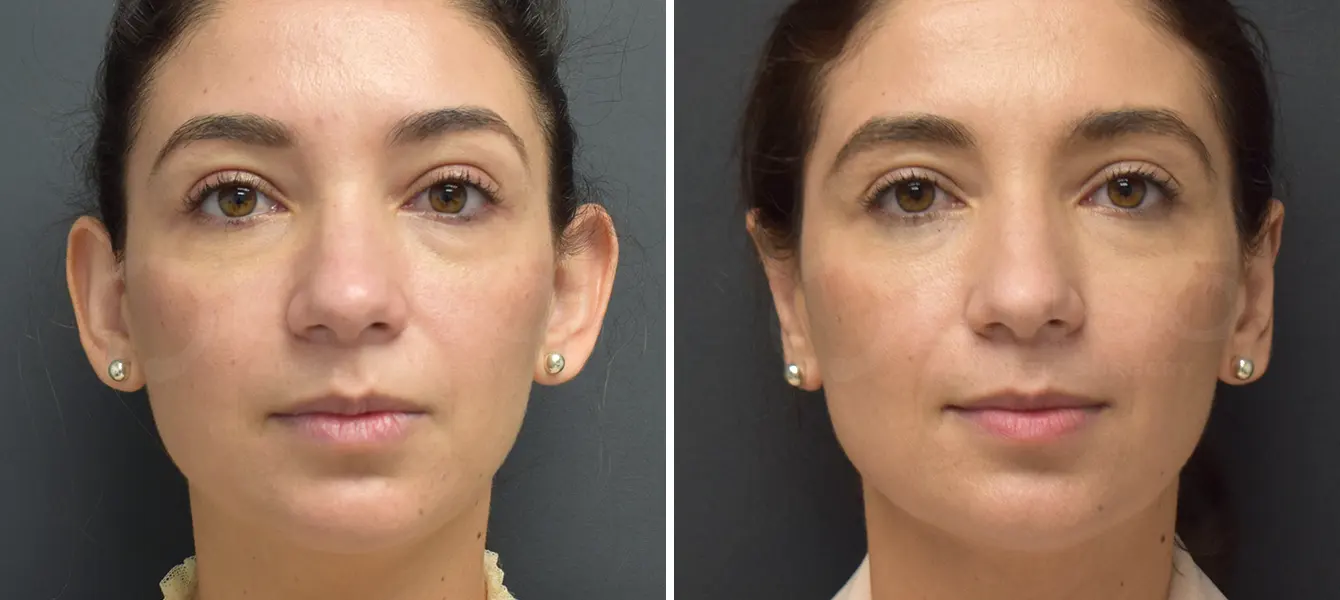
Before & After Images
Results from real Enso Plastic Surgery patients

What Can Otoplasty Address?
The ears play a quiet but important role in facial balance. When they sit too far from the head or differ noticeably in size or shape, they can become the first thing people notice. For many patients, it's a concern they've carried since childhood.
Otoplasty is a versatile procedure that can address a wide range of cosmetic concerns. Some of the most common issues it corrects:
- Prominent ears: Ears that stick out too far from the head. Often the most common reason patients seek out otoplasty.
- Asymmetry: Ears that sit at different heights or angles, affecting the natural balance of the face.
- Oversized ears (macrotia): Ears that appear disproportionately large relative to the rest of the face. In these cases, otoplasty functions as an ear reduction procedure to bring the ears into better proportion.
- Misshapen or folded ears: Conditions like lop ear, cupped ear, or shell ear, where the cartilage hasn't formed in a typical way.
- Earlobe concerns: Stretched, torn, or unusually shaped earlobes, often from years of heavy earrings or a previous injury.
- Results from previous surgery: Ears that were previously operated on but didn't heal as expected or have shifted over time.
What to Expect: Procedure, Recovery & Results
Procedure
Otoplasty is typically performed under local anesthesia with sedation, though general anesthesia may be used for children or more complex cases. The surgery takes about 1 to 2 hours, depending on whether one or both ears are being addressed.
Dr. Durand makes a small incision in the natural crease behind the ear, where any scarring is easily hidden. From there, he reshapes the cartilage, repositions it closer to the head if needed, and secures the new shape with internal sutures.
Recovery
You’ll likely experience mild swelling, bruising, and tenderness around the ears for the first week. A soft headband is worn for several days after surgery to protect the ears as they heal, and again at night for a few weeks after that.
Adults typically return to work and most normal activities within 7 to 10 days, with contact sports and heavy lifting held off for a month. Children can usually go back to school within a week, with rough play restricted on the same timeline. The final results will take shape over several weeks as any swelling fully subsides.
Results
Otoplasty produces permanent changes to the position and shape of the ears. Once the cartilage has healed in its new form, the results don't reverse with time the way some other procedures do.
Once fully healed, patients describe the change as feeling natural and long overdue. Hairstyles they'd avoided for years, earrings they'd never bothered to wear, and angles they'd hidden in photos stop feeling like issues to work around.

Otoplasty for Children
Otoplasty is one of the few cosmetic procedures regularly performed on children. Ear shape is largely developed by age 5, while the cartilage at this stage remains soft enough to reshape with excellent results. Addressing the issue early can also spare a child years of unwanted attention or self-consciousness during their school years.
Most surgeons, Dr. Durand included, will consider otoplasty for children around age 5 or 6, once the ears have reached close to their adult size. Older children, teens, and adults are good candidates as well.
Common reasons parents pursue otoplasty for their child
- Teasing or bullying at school: Prominent ears are one of the more common reasons children get singled out.
- Visible self-consciousness: Some children begin covering their ears with their hair, avoiding photos, or asking questions about their appearance well before parents bring up surgery.
- A clear, fixable concern: Unlike many cosmetic concerns that shift with age, prominent or misshapen ears tend to stay the same. Surgery offers a one-time, permanent solution.
- Request from your child: In Dr. Durand's experience, the strongest results come when your child is part of the decision and genuinely wants the change for themselves.
What the procedure looks like for younger patients
Children typically undergo otoplasty under general anesthesia, while older teens and adults can often have it performed under local anesthesia with sedation. The surgical technique itself is the same, and recovery follows a similar timeline, with most children returning to school within a week and back to sports about a month later.
Who is a Good Candidate for Otoplasty?
Otoplasty is a great option for anyone who would like to change the shape or appearance of their ears.
Dr. Durand may consider you, or your child, a good candidate if you:
- Have ears that sit too far from the head or appear larger than you'd like
- Notice asymmetry between your ears, in size, shape, or position
- Have an irregular ear shape from birth or from a previous injury
- Are bothered by stretched or misshapen earlobes
- Want a one-time, lasting solution rather than working around the issue with hairstyles or accessories
- Are in good overall health and have realistic expectations about what otoplasty can achieve
- For children: are at least 5 or 6 years old and on board with the decision
Otoplasty Q&A with Dr. Durand
What's the most common misconception patients have about otoplasty?
Dr. Durand: “Most patients assume the goal is to pin the ears back as flat as possible against the head. That's actually the look you want to avoid. Ears that sit too flat read just as unnatural as ears that stick out too far. The goal is to bring the ears into a natural position relative to the rest of the face, with a gentle, believable angle. When it's done well, people don't notice the ears at all, which is exactly the point.”
How is performing otoplasty on a child different from performing it on an adult?
Dr. Durand: “The fundamentals are the same, but children's cartilage is softer and more responsive, which gives us a bit more flexibility in shaping the ear. The bigger difference is actually around the consultation. With adults, I'm having a direct conversation about goals and expectations. With children, I want to make sure the child themselves is part of that conversation, not just the parents. The best outcomes happen when a child is genuinely on board with the decision.”
What do people tend to say after the procedure?
Dr. Durand: “The most common reaction is some version of "I should have done this years ago!" Many of my adult patients have been thinking about their ears since childhood. Once the result is in, they describe an ease they didn’t realize had been missing. It's a small change with a surprisingly large effect on how people move through the world.”

Otoplasty FAQs
Schedule Your Otoplasty Consultation
Whether you're considering otoplasty for yourself or your child, Dr. Durand and the team at Ensō are here to help. Every consultation is honest, thorough, and built around your goals. Book online or call our Miami office at (305) 918-1750.