Revision Facelift in Miami
Why Choose Dr. Durand for Your Revision Facelift?
Dr. Paul Durand is a board-certified plastic and reconstructive surgeon, and one of the top facelift surgeons in Miami and South Florida.
Revision facelift surgery is among the most technically demanding procedures in facial plastic surgery. Scar tissue from the original operation changes the landscape of the face, and anatomy that has already been repositioned once must be carefully re-evaluated before any further intervention.
Dr. Durand trained at the Cleveland Clinic and completed a fellowship in aesthetic plastic surgery at the Dallas Plastic Surgery Institute, one of the most respected programs in the country for advanced facial technique. Where earlier facelift methods often focused primarily on skin tension, Dr. Durand specializes in deep plane surgery, which works beneath the surface to reposition the underlying facial structures. For revision patients, this distinction matters, because correcting previous results requires addressing the tissue and muscle, not just the skin on top of it.
Every revision consultation begins with a thorough review of your surgical history, an honest assessment of your current anatomy, and a clear conversation about what’s realistically achievable. Dr. Durand is fluent in English and Spanish, and is known among his patients for transparent communication and a calm, reassuring approach from consultation through recovery.



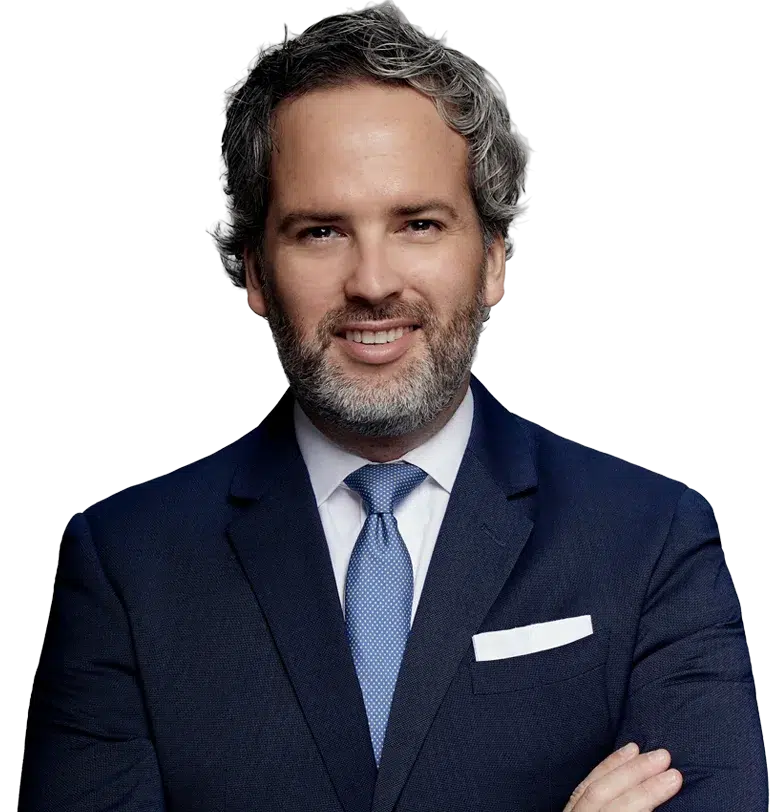
Dr. Paul D. Durand, MD
Board-Certified Plastic And Reconstructive Surgeon
What Can a Revision Facelift Address?
There are several reasons why a patient might pursue a revision facelift. Some are structural or aesthetic, while others may simply be the result of natural aging.
The most common things a revision facelift can address are:
- Residual or recurrent sagging of the jowls: Natural aging continues even after a well-performed facelift. Over time, the tissues can begin to descend again, and a revision can restore the definition that's been lost.
- An unnatural or pulled appearance: Older facelift techniques often prioritized skin tension over deep tissue repositioning, leaving results that look tight or distorted. A modern facelift revision can soften those outcomes and restore a more natural contour.
- Facial asymmetry or visible irregularities: Subtle differences in healing or technique can lead to uneven results, which can become more noticeable over the years. Widened scars, contour irregularities, and distorted earlobes (sometimes called pixie ear deformity) can also be corrected by refining the underlying tissue.
Volume loss or hollowing: Facelifts address tissue descent, but they don't replace lost volume. Where appropriate, a revision can be combined with fat grafting to restore fullness that looks natural.
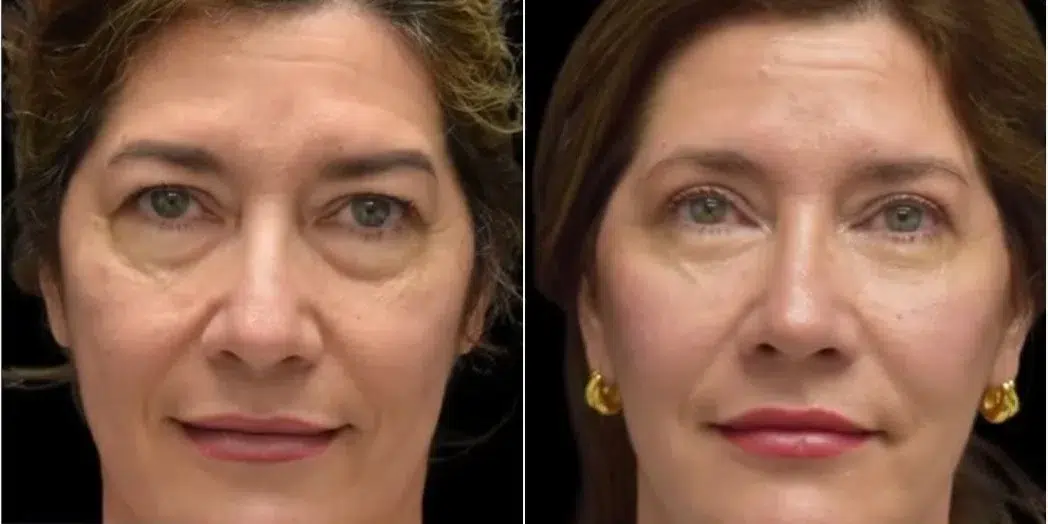
Enso Facelift Results: Before & After Photos
Results from real Enso Plastic Surgery patients



Benefits of a Revision Facelift
Beyond correcting the concerns above, a well-executed revision facelift can deliver meaningful, lasting improvements to your overall appearance. Patients typically experience:
- Restored structural support in the deeper facial tissues: A revision facelift often uses deep plane facelift techniques to provide the internal support that might not have been addressed in the initial procedure.
- Improved jawline and neck definition: By targeting areas where previous results may have dropped or shifted, we help redefine the crisp lines of your lower face and neck.
- Natural looking results: A softer, more balanced overall appearance that looks refreshed without looking surgical.
Long-lasting improvements: We can’t stop the aging process, but our results are designed to provide enhancements that last. Since Dr. Durand uses advanced techniques to reposition the underlying musculature, results are designed to be durable, and often last a decade or more.

What to Expect With a Revision Facelift
Procedure
Revision facelift surgery is typically complex due to scar tissue and an altered anatomy caused by the primary procedure. Dr. Durand carefully takes these into consideration, working around your scar tissue to reposition your deeper facial structures with the latest facelift techniques. Where possible, incisions are also placed along previous surgical lines to minimize additional visible scarring.
Recovery
Recovery from a revision facelift is similar to a primary procedure in many respects, though healing can be somewhat less predictable because the tissues have already been through surgery once. Most patients are comfortable returning to social activities within two to three weeks, though swelling may take longer to fully resolve than it did after an initial facelift. Dr. Durand provides thorough aftercare instructions and remains accessible to patients throughout the healing process.
Results
The goal of a revision facelift is to restore a more natural, relaxed appearance. Beyond addressing any concerns from your previous surgery, you can expect smoother contours and improved symmetry. Dr. Durand’s results are typically long-lasting, though skin quality, age, and surgical history can affect each patient’s long-term results.
Dr. Durand’s Approach to Revision Surgery
Successful revision surgery is a combination of art and science. No two patients arrive in the same condition, and the right approach for one may not be appropriate for another.
Most facelift surgeons address tissue descent, but fewer account for the volume loss that happens alongside it. Dr. Durand has published peer-reviewed research on combining deep tissue repositioning with fat compartment augmentation to restore both structure and volume together. For revision patients, this integrated approach is particularly valuable, since many are correcting results that lifted the face, but left it looking aged in a different way. His research in this area has been published in Clinics in Plastic Surgery, one of the leading journals in the field.
Dr. Durand’s surgical procedure emphasizes:
- Conservative and precise correction rather than overcorrection
- Consideration for existing anatomy and tissue quality
- Use of deep plane techniques where beneficial
- Combining procedures (such as fat grafting or a neck lift) when appropriate
The result is a surgical plan built entirely around your specific anatomy, history, and desired outcome.

Who is a Good Candidate for a Revision Facelift?
Each patient’s history and needs are carefully considered before a revision facelift is recommended, but you may be a good candidate if:
- You’ve had a previous facelift and are seeking improvement
- Your initial results have faded significantly over the last 10 to 15 years
- Your results look unnatural or unbalanced, or your scars have widened
- You’re in good overall health and have realistic expectations for what a secondary procedure can achieve
At your consultation, Dr. Durand will evaluate your prior surgery and current stage of healing to determine the most appropriate approach for you.
Revision Facelift FAQs
Schedule Your Private Revision Facelift Consultation
For individuals considering a revision facelift, a comprehensive consultation is essential in evaluating your prior surgery, healing progress, and desired results.
Our team is here to guide you through every step of the process. Request your private consultation here, or call our Miami office at (305) 918-1750 to speak with a member of our clinical team.